The 10th Copernicus Ocean State Report, written with 125 scientists, says the ocean absorbed a record 23 zettajoules of heat in 2025 and sea level rise is speeding up.
Checked against 2 sourcesmarine.copernicus.eucp24.com
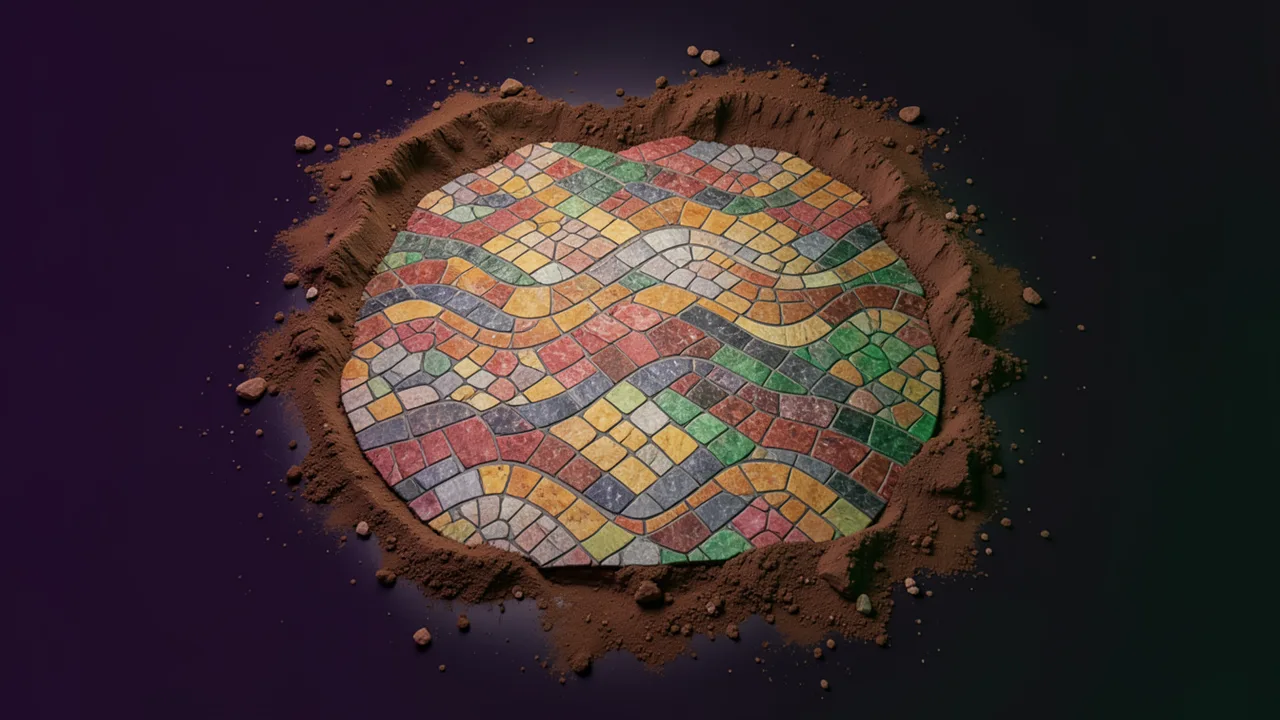
Archaeologists at ancient Mieza in northern Greece have uncovered a 4th-century BC gymnasium complex with mosaic banquet halls and teaching rooms, linked by Plutarch to Aristotle's lessons for Alexander.
Checked against 2 sourcesdiscovermagazine.comgreekcitytimes.com
Berkeley-led researchers dated Vesuvius crystals from the 79 CE eruption to within 0.4 percent of the historical date and used the result to refine the half-life of potassium-40.
Checked against 3 sourcesnews.berkeley.edugizmodo.comScienceDaily
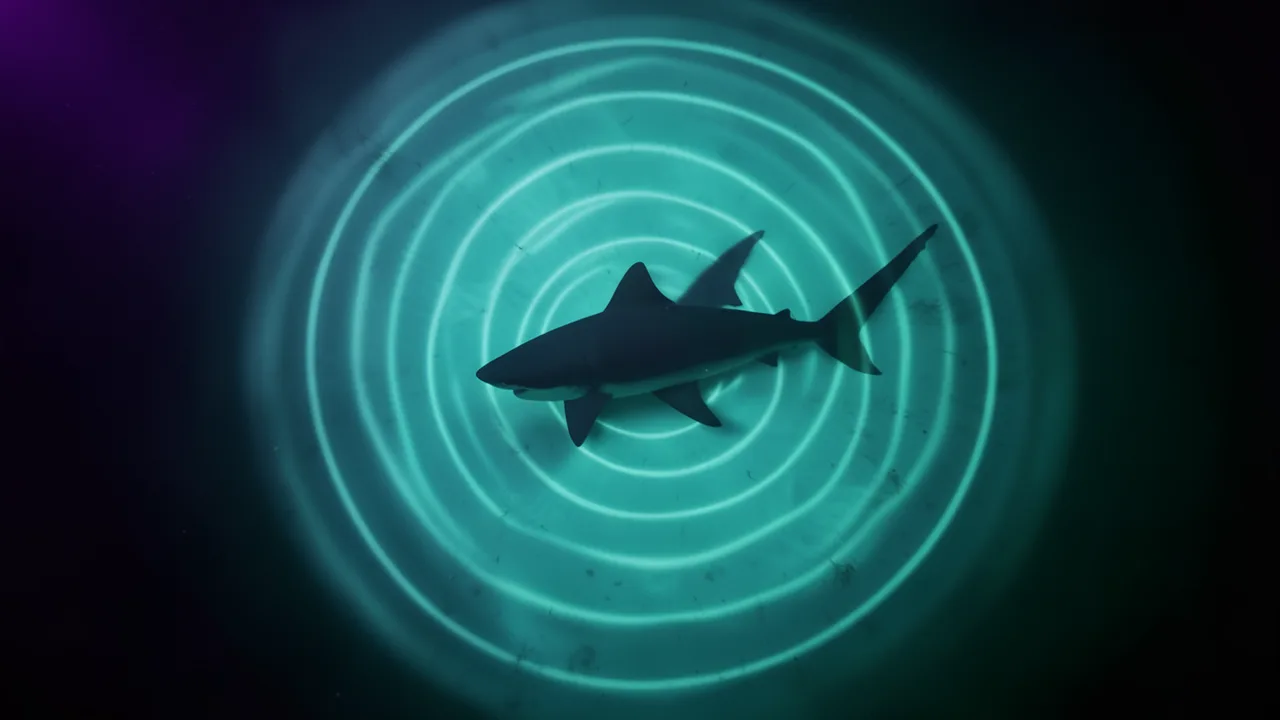
A Florida Atlantic University field study using drones and underwater speakers found blacktip sharks responded to low-frequency sounds from up to 74 meters (243 feet) away and could tell where they came from.
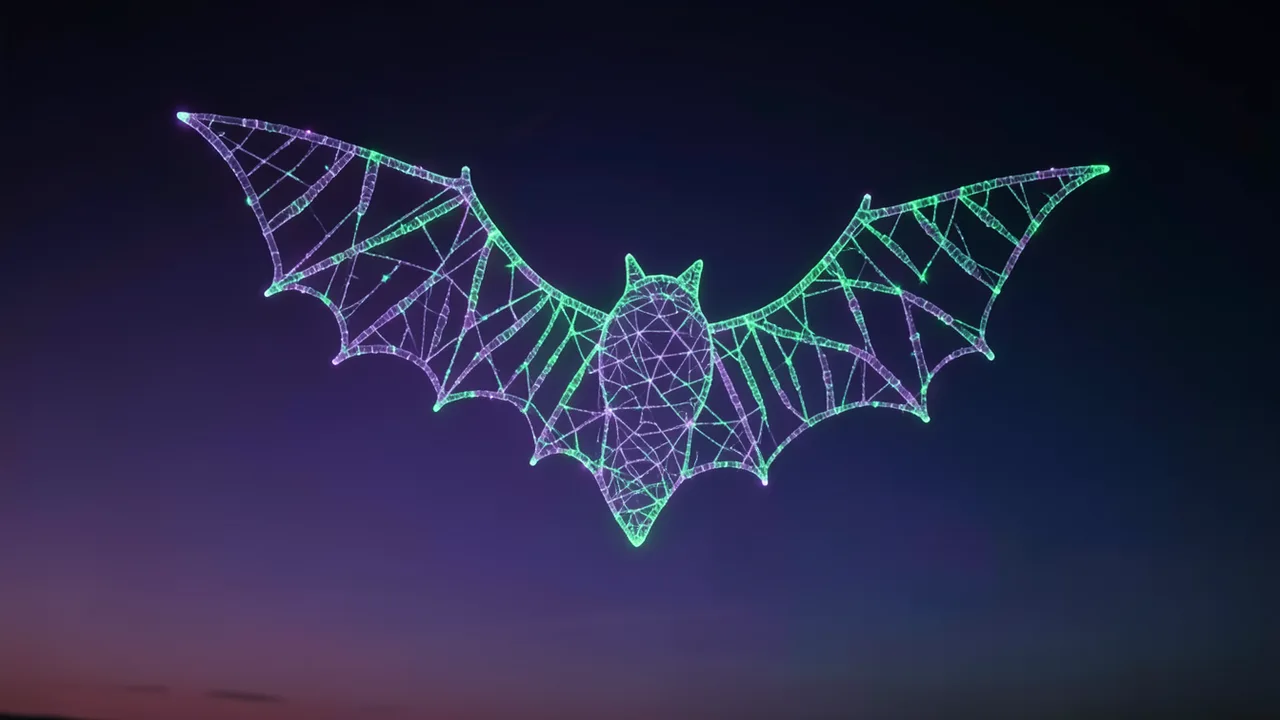
A Nature study by 137 researchers in the Bat1K consortium combined 103 bat genomes and 44 fossils and concludes bats most likely first evolved in Europe around 65 million years ago.
Checked against 3 sourcesmuseumfuernaturkunde.berlinphys.orgScienceDaily
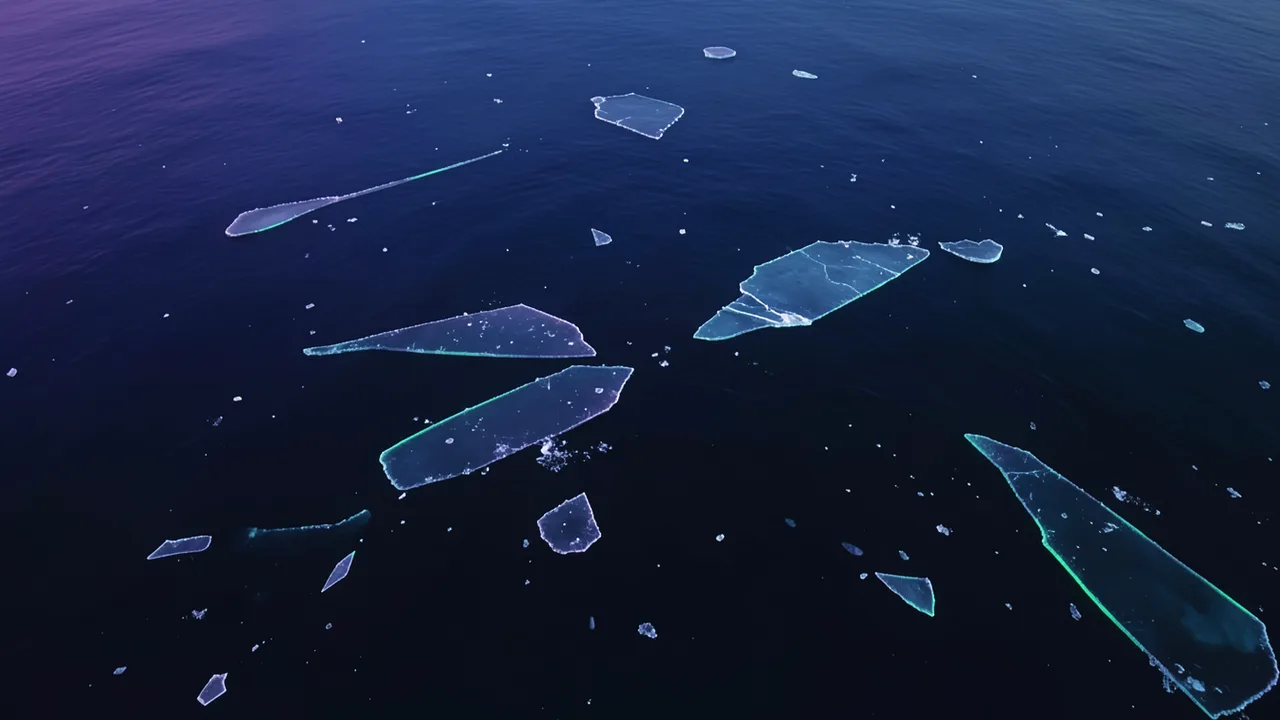
Arctic sea ice likely bottomed out on September 12 at 4.60 million square kilometers, tying 2008, 2010 and 2025 for tenth lowest, NSIDC and NASA report.
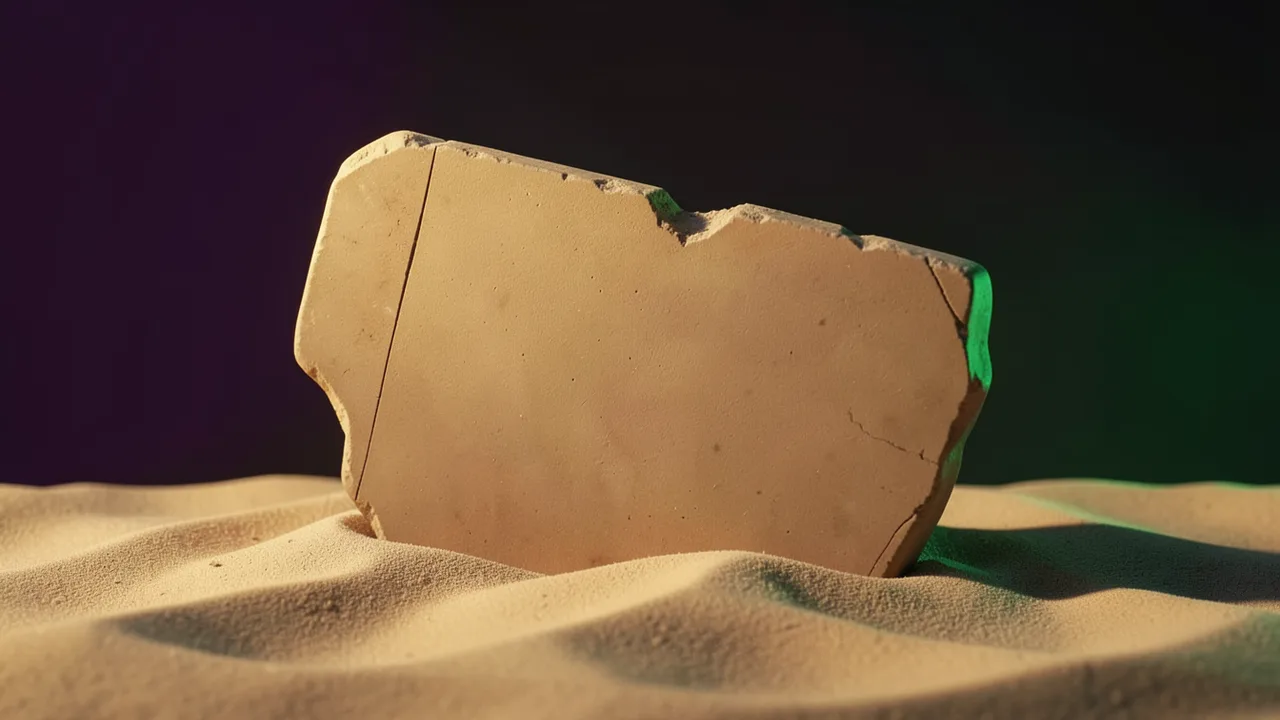
Turkey announced that a cuneiform tablet fragment found at Hattusa is part of a copy of the Kadesh Peace Treaty between Hattusili III and Ramesses II, preserving clauses on refugees.
Checked against 4 sourcesheritagedaily.comdailysabah.comarchaeology.wiki+1 more
A Berkeley-led team carbonized its own papyrus scroll and showed that ink containing lead stands out sharply in X-ray scans, a possible way to pick which Herculaneum scrolls to read first.
A UCLA-led study in Science Advances measured isotope bonds in enamel from two teeth of 'Thomas the T. rex' and estimated the dinosaur's body temperature at 36°C (97°F).
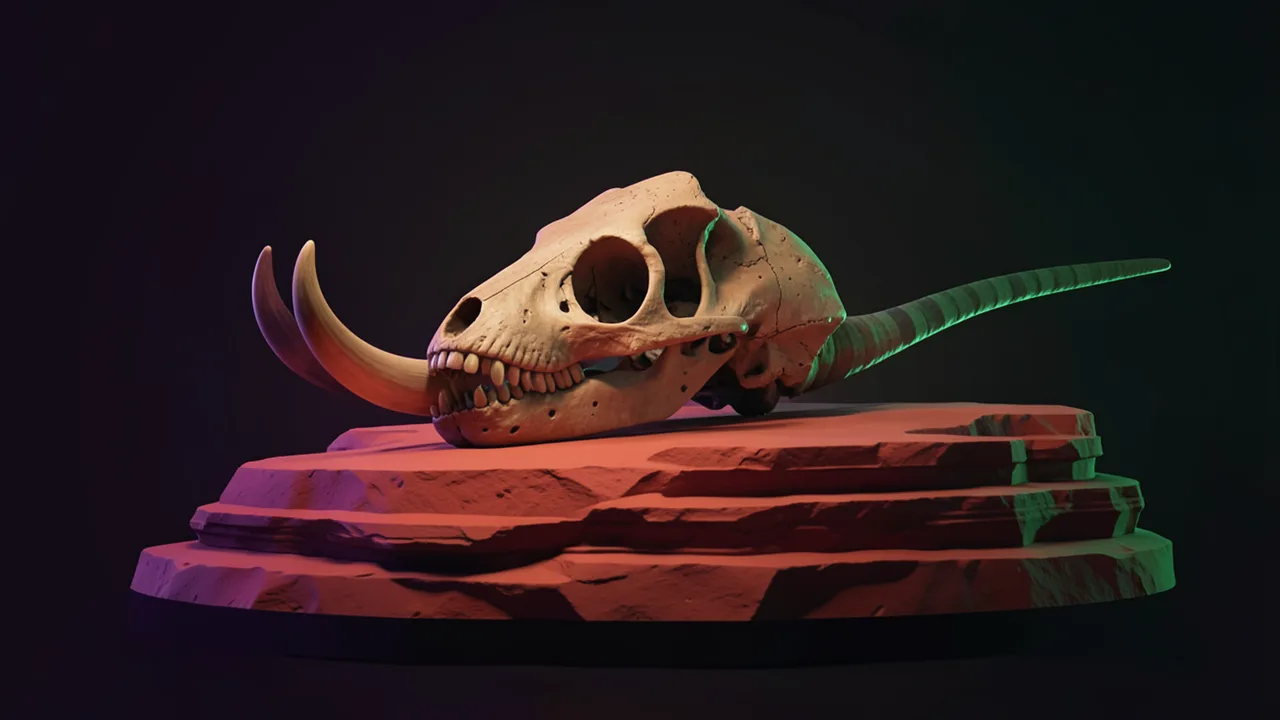
Researchers led by the University of Bristol named Dinodontosaurus isiyavamanda, a Triassic plant-eater from Tanzania whose presence suggests the country's early dinosaur candidates are not the oldest.