Fragment of the Kadesh peace treaty identified at Hittite capital Hattusa
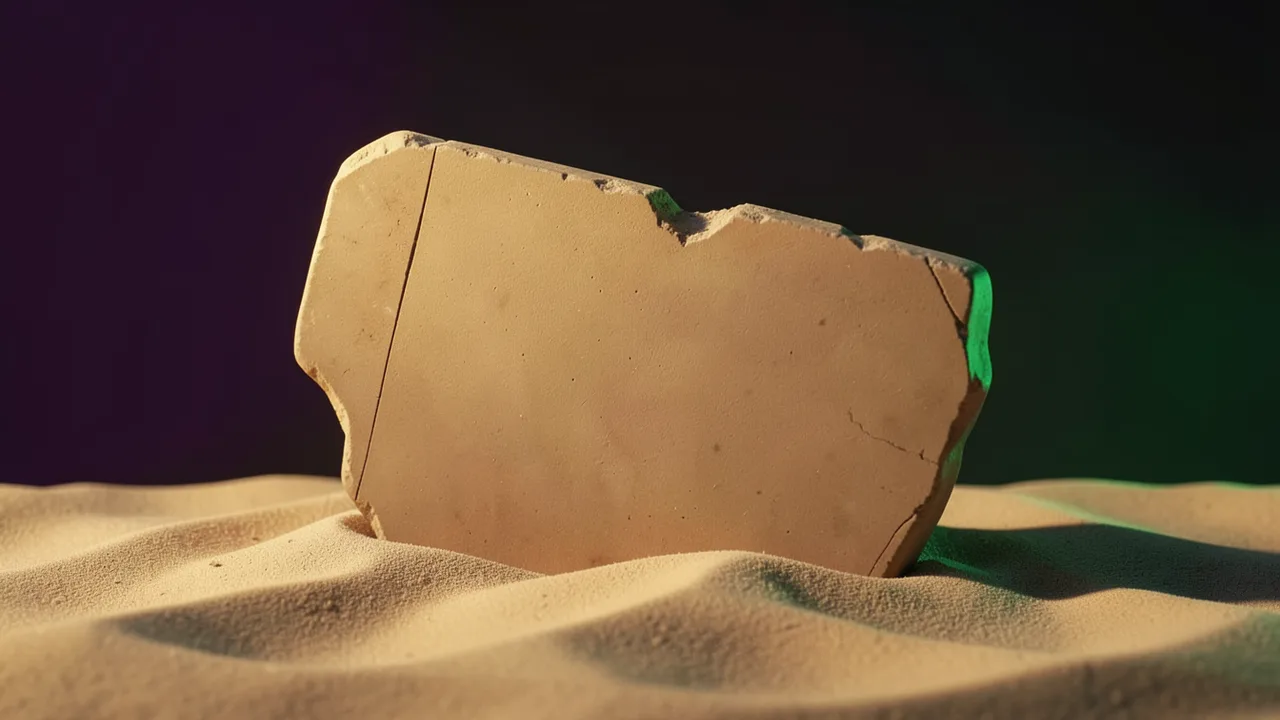
A newly identified cuneiform tablet fragment from Hattusa, the ancient capital of the Hittite Empire in central Türkiye, has been confirmed as part of a copy of the Kadesh Peace Treaty, one of the oldest known peace agreements. Turkey's Minister of Culture and Tourism, Mehmet Nuri Ersoy, announced the find on September 21, 2026, which was World Peace Day.
The treaty was concluded in the 13th century BC between the Hittite king Hattusili III and the Egyptian pharaoh Ramesses II.
Where and how it was found
Archaeologists found the fragment near Building E in the Büyükkale area of Hattusa, in the Boğazkale district of Çorum Province, according to HeritageDaily and Daily Sabah. Only one side of the tablet fragment survived. Researchers examined it for about a year before identifying the text.
The excavation at Hattusa is directed by Prof Dr Andreas Schachner of the Istanbul branch of the German Archaeological Institute, HeritageDaily reports.
What the text says
According to Archaeology Wiki, "The newly identified text corresponds to provisions contained in Articles 12 to 20 of the treaty, concerning people who fled from one kingdom and sought refuge in the other." Daily Sabah reports that the provisions also deal with the protection of the refugees' homes.
The Bible Archaeology Report summarized the content this way: "The text on the fragment outlines provisions for people seeking refuge from one country to another."
A treaty known from several copies
The Kadesh treaty is known from multiple ancient copies. Fragments of the Hittite version were first found at Hattusa during excavations between 1906 and 1912. Those pieces are now held in museum collections in Istanbul, Ankara, Berlin and St Petersburg, according to HeritageDaily. Hattusa was inscribed on the UNESCO World Heritage List in 1986.
The minister's announcement
Ersoy framed the discovery in terms of peace. Daily Sabah quotes him as saying: "We have found the trace of peace in Anatolian soil." He added: "Shared on September 21, World Peace Day, this discovery underscores Anatolia's deep-rooted place in the history of peace and diplomacy."
He also said: "We wish for a future in which all people, our Palestinian brothers and sisters above all, will live in safety, peace, and tranquility."
Why it matters
The Kadesh treaty is a cornerstone text for historians of ancient diplomacy, and its clauses on the treatment of people fleeing between kingdoms are among its best known provisions. A new copy of the refugee articles from the Hittite capital adds physical evidence for how the agreement was recorded and kept at Hattusa. Because the fragment preserves only one side, scholars will be watching whether further excavation at Büyükkale turns up more of the same tablet.
Sources
- HeritageDaily, "Fragment of Kadesh Peace Treaty discovered at Hattusa"
- Daily Sabah, "Hattusa fragment found in Türkiye linked to Treaty of Kadesh"
- Archaeology Wiki, "New fragment of Kadesh Peace Treaty identified at Hattusa"
- Bible Archaeology Report, "Fragment Of World's Oldest Treaty Discovered In Turkey"
This article was drafted with AI assistance and checked against the sources above. Company claims are reported as claims. Cover image is AI-generated.