NASA moon orbiter finds 728-foot crater, the largest new crater seen in the solar system
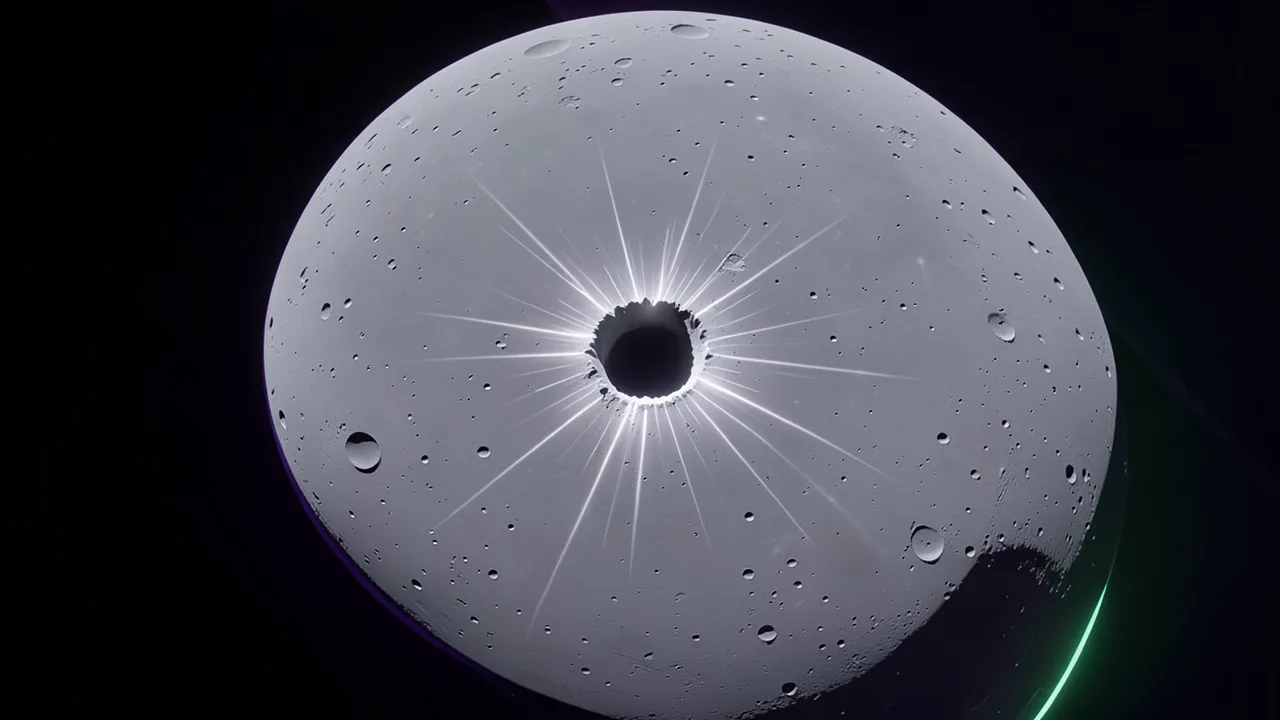
Scientists working with NASA's Lunar Reconnaissance Orbiter have found a fresh crater on the Moon that was not there a few years ago. The crater, named McGetchin, is 728 feet wide and 141 feet deep, and it is the largest newly formed crater ever identified in the solar system, according to findings reported in mid-September 2026.
A crater from 2024
According to a NASA-based report published by ScienceDaily, the crater formed between April 11 and May 22, 2024, when an asteroid or comet roughly three to six stories tall struck the Moon near its eastern edge.
The Deseret News reported that the findings were published in the journal Science Advances and that the crater is three times larger than the previous record holder, which was discovered about a decade earlier. Scientists estimate that impacts of this size happen on the Moon about once per century or even less often, ScienceDaily reported.
How it was found
Robert Wagner, an image-processing specialist from Intuitive Machines who works with the orbiter's camera team, spotted the crater on October 24, 2025. While comparing global maps of the Moon, he noticed an unusually bright patch surrounded by a dark halo.
"I just stopped, dropped everything, and started looking into what that spot was," Wagner said, according to ScienceDaily. "It was by far the most obvious impact debris pattern I've ever seen in one of these images," he added.
Wider effects of the impact
The impact disturbed lunar material across a large area. ScienceDaily reported that it created a cold spot about 4 miles wide, where nighttime temperatures are about 16 degrees Fahrenheit lower than in the surrounding terrain. Scientists plan to publish more detailed findings about the size and energy of the object that struck the Moon in later papers.
The name
The crater is named after Tom McGetchin, a pioneering lunar scientist and former director of the Lunar and Planetary Institute, according to the Deseret News.
Why it matters
Fresh impacts let scientists study how often large objects still hit the Moon and how a single collision reshapes the surface around it. Because the Lunar Reconnaissance Orbiter has photographed the Moon for years, its team can compare older and newer images to catch changes like this one. A record-size fresh crater gives researchers a rare, well-dated example to study.
Sources
- ScienceDaily, "NASA's Moon orbiter finds a 728-foot crater that wasn't there before"
- Deseret News, "Here's how this massive new moon crater was discovered"
This article was drafted with AI assistance and checked against the sources above. Company claims are reported as claims. Cover image is AI-generated.